


Planning an event is exciting. You're bringing people together, creating opportunities for connection, and giving your audience a chance to learn, grow, and walk away with something valuable.
And choosing the right keynote speaker is a big part of making that happen.
A great keynote does more than fill a spot on the agenda. It brings energy to the room, creates meaningful conversations, and gives people something to think about long after the event ends.
Whether you're planning an HR conference, leadership summit, company event, or professional development day, finding the right speaker starts with knowing what you want your audience to experience.
Here are a few things worth considering.
Table of Contents
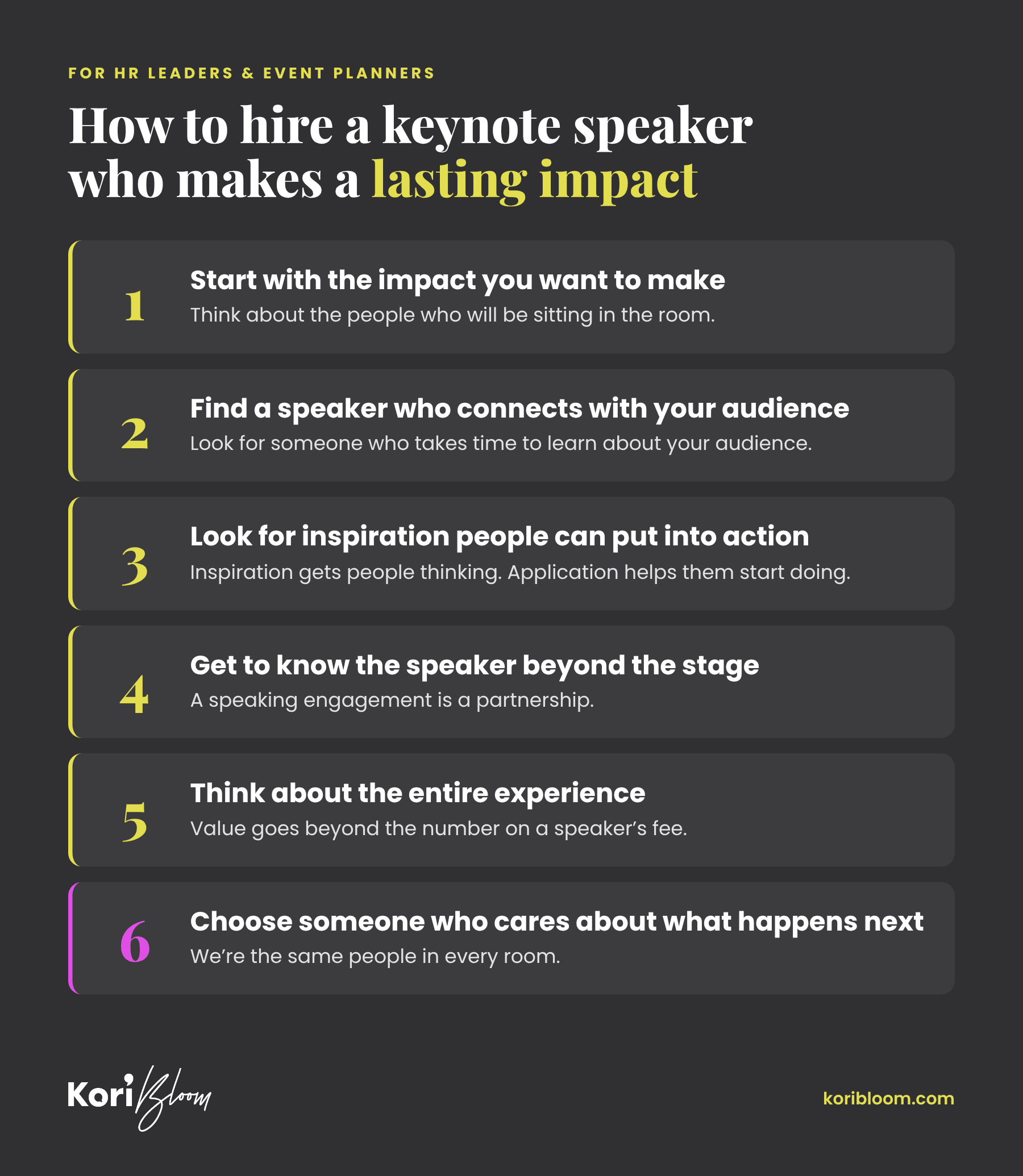
1. Start with the Impact You Want to Make
Before searching for speakers, think about the people who will be sitting in the room.
What are they navigating right now? What challenges are they facing? What opportunities do they have to grow?
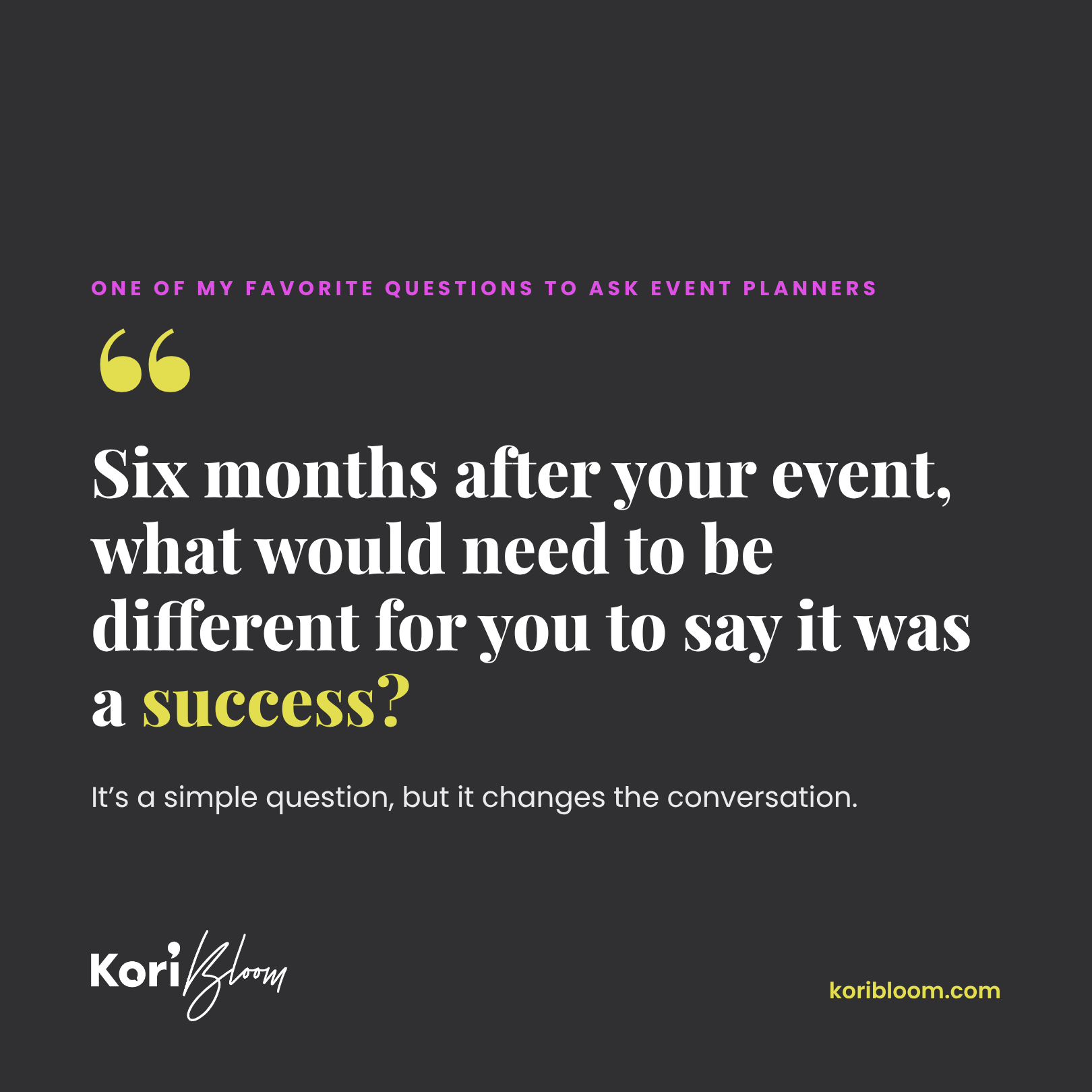
And here's one of my favorite questions to ask event planners:
Six months after your event, what would need to be different for you to say it was a success?
It's a simple question, but it changes the conversation.
Instead of focusing only on what happens during the event, we start thinking about what happens afterward.
Because the real value of a keynote isn't measured only by the energy in the room. It's also measured by what people carry into their everyday lives.
2. Find a Speaker Who Connects with Your Audience
Every audience is different.
HR professionals, business leaders, educators, and healthcare teams may face different challenges, but they share something important: they're human.
They're navigating relationships, making decisions, managing competing priorities, and trying to show up as their best selves.
The right speaker understands that.
Look for someone who takes time to learn about your audience, asks thoughtful questions, and connects their message to the experiences of the people in the room.
The goal isn't simply to deliver a great presentation. It's to create a meaningful experience for the people attending.
And when people see themselves in the stories being shared, that's when the message really starts to connect.
3. Look for Inspiration People Can Put into Action
I love a room full of energy.
The laughter. The aha moments. The conversations that start before people even leave their seats.
Those moments matter.
And what's even better? When that energy turns into action.
A meaningful keynote can inspire people to see things differently while giving them practical ways to put those ideas to work.
That might be a new question to ask, a different way to approach a difficult conversation, or a simple tool for responding instead of reacting.
Sometimes the smallest shifts create the biggest impact.
In my Lead Yourself First™ keynote, that's exactly where we focus: helping people recognize how they show up, how they communicate, and how the choices they make influence the people around them.
Because leadership doesn't begin with a title. It begins with us.
Inspiration gets people thinking. Application helps them start doing.
4. Get to Know the Speaker Beyond the Stage
A speaking engagement is a partnership.
The most successful events happen when everyone is working toward the same goal: creating an experience that serves the audience.
As you explore potential speakers, take time to get to know their approach.
Watch their speaking videos. Read testimonials. Explore their topics. And, when possible, have a conversation.
Pay attention to the questions they ask.
Are they curious about your organization? Do they want to understand your event goals? Are they interested in what your audience needs?
You can also ask how they tailor their presentations, what resources they provide, and how they work with event teams before the big day.
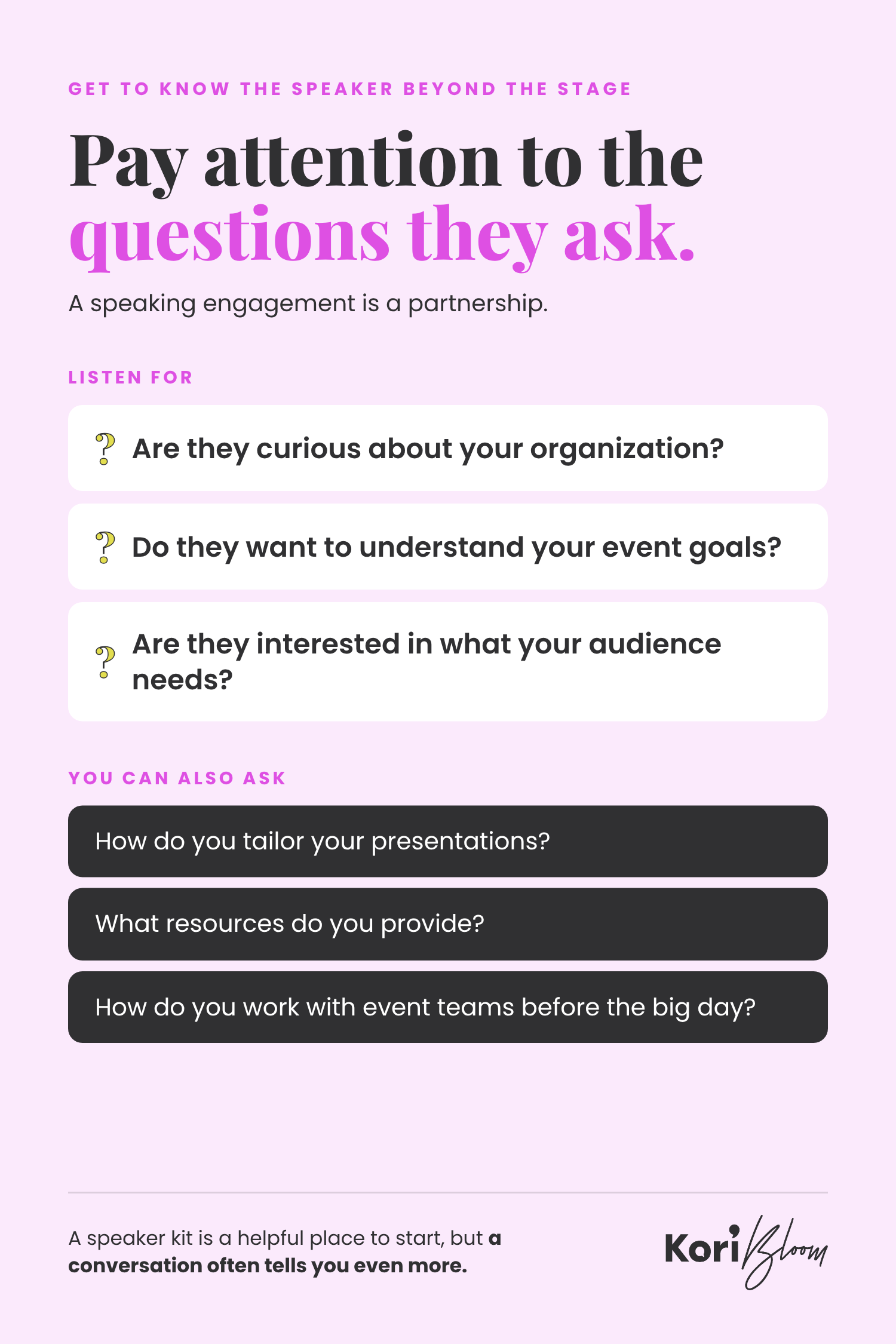
A speaker kit is a helpful place to start, but a conversation often tells you even more.
You want someone who brings both expertise and genuine enthusiasm for the people they'll be speaking to.
5. Think About the Entire Experience
A keynote is one part of a much bigger event.
Consider how the presentation fits into the overall experience you're creating.
Is your audience coming together to celebrate? Learn new skills? Build relationships? Navigate change? Reconnect with a shared purpose?
The right speaker can help reinforce that goal.
This is also a great time to discuss the practical details: your budget, presentation length, travel, technology, opportunities for Q&A, and any additional workshops or breakout sessions.
Having these conversations early allows everyone to prepare well and make the most of the time together.
And remember, value goes beyond the number on a speaker's fee.
Consider the experience, preparation, audience connection, and resources people will take with them.
6. Choose Someone Who Cares About What Happens Next
Here's something I believe about speaking:
The most important part of a keynote might be what happens after everyone leaves the room.
It's the leader who approaches a difficult conversation differently.
The manager who starts asking instead of telling.
The colleague who chooses curiosity over assumptions.
The parent who goes home and responds with a little more patience.
These are the moments that matter.
They're also why I believe the skills we use to lead at work shouldn't be separate from the skills we use in the rest of our lives.
We're the same people in every room.
And when we learn to lead ourselves first, the impact reaches far beyond one event.
Frequently Asked Questions About Hiring a Keynote Speaker
How far in advance should I book a keynote speaker?
Ideally, begin reaching out three to six months before your event. Larger conferences and popular dates may require more lead time. Booking early also creates more opportunity to collaborate and tailor the experience.
How much does a keynote speaker cost?
Speaking fees vary depending on experience, event type, travel, presentation length, and additional services. Consider the overall value of the engagement, including preparation, customization, and any workshops or resources included.
What should I look for in a keynote speaker?
Look for someone who combines audience connection, relevant experience, an engaging delivery style, and meaningful takeaways. A great speaker should be just as interested in your audience as you are.
Should a keynote speaker customize their presentation?
Absolutely. The central message may remain consistent, but the examples, stories, and applications should connect to your audience and your event goals.
The Right Speaker Helps Make Your Event Matter
There's something powerful about bringing people together with a shared purpose.
New ideas emerge. Conversations begin. Perspectives shift. And sometimes, one simple idea changes how someone approaches their next challenge.
That's what makes a great keynote experience.
When you're choosing a speaker, look for someone who understands the people in the room, brings energy and authenticity to the stage, and offers ideas people can carry into their everyday lives.
Because the goal isn't simply to have a great event.
It's to create an experience that continues making an impact long after the event is over.
Let's Create Something Meaningful Together
Planning a leadership conference, HR event, or professional development experience?
I'd love to hear what you're planning, learn about your audience, and explore how we can make your event meaningful, engaging, and memorable.
Let's give your audience something they'll still be talking about—and using—six months from now.